
Modern pennies might not sound like a gold mine, but you’d be surprised. They’re like that quiet neighbor who turns out to be a millionaire. Sure, most of your coins jangling in your pocket are probably worth just one cent, but some are lurking with value and intrigue. It might seem like a wild goose chase, yet a few specific pennies could be worth significantly more than their face value. So grab your magnifying glass, and let’s jump into the intriguing realm of modern pennies worth money that could just be hiding in plain sight.
Understanding Modern Pennies
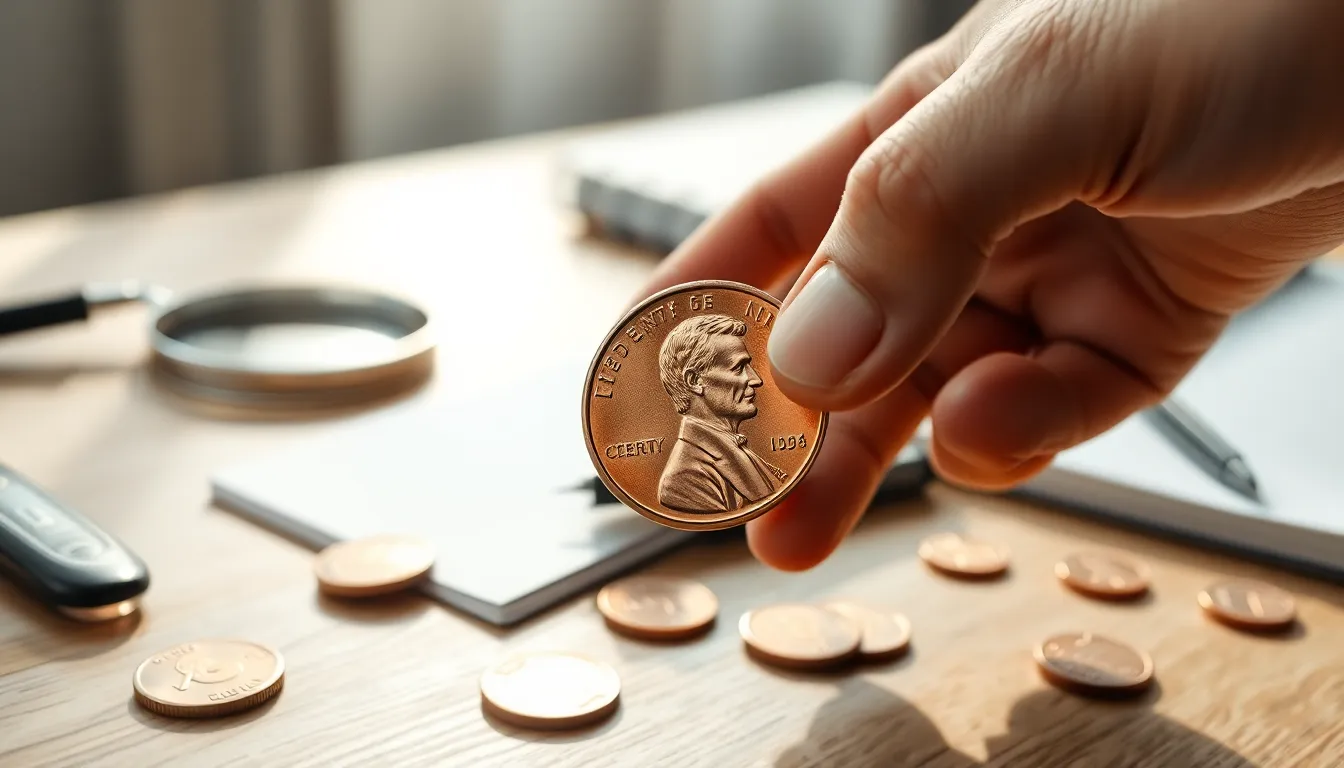
Modern pennies, officially known as the Lincoln cent, have been around since 1909. Initially minted in copper, the composition has shifted over the years, now primarily consisting of zinc with a copper coating. How did they go from being something shiny to what feels like pocket fluff? As currency evolved, so did the penny. Today, there are a few different varieties that collectors and investors keep an eye on.
Though they may appear commonplace, certain modern pennies could hold surprising value. Some recent editions are not just for tossing in the piggy bank. They can contain errors or unique features that can skyrocket their worth. Understanding their potential is essential if you’re keen on collecting or investing.
Another important note: many people mistakenly believe that all pennies become collector’s items over time. Alas, that’s not always true. Value is often dictated by rarity and demand, not just age.
Indeed, modern pennies might take a little detective work to uncover their true worth. Before diving headfirst into collecting, it’s worth knowing what makes these tiny coins shine brighter than the rest.
The Importance of Minting Errors
Minting errors occur when something goes haywire during the production process. While these mistakes can lead to some coins being produced that never should have seen the light of day, they can be collector gold mines. Imagine spotting a penny with a double die error or a missing mint mark. These errors can push the value of a penny from one cent to hundreds, or even thousands, in some extreme cases.
Collectors often regard such error coins as highly sought after. Minting errors are not only tales of mishaps, but they also bridge a mere penny to historical significance. For example, a 1983 bronze penny is incredibly valuable because the mint accidentally produced a limited number of copper pennies during that year.
When considering modern pennies worth money, it’s crucial to grasp the kinds of minting errors that might exist. After all, these quirks have the potential to turn an everyday penny into a treasure.
Key Dates and Varieties to Look For
When searching for valuable modern pennies, knowing specific dates will significantly streamline the process. For example, pennies from 1970, 1982, and 1983 hold particular interest for collectors. Rare varieties often emerge from these years.
Condition and Grading of Pennies
Condition plays a pivotal role in determining the ultimate worth of a penny. Coins are graded based on their quality, from Poor (P) to Mint State (MS). A penny might have passed through a wallet and coins should generally be avoided if they’ve seen better days. Naturally, a shiny penny that looks like it just left the mint carries more value than one that has traveled through the laundry. Learning to grade pennies makes it easier to spot valuable ones among the rest.
Whether you’re a budding collector or an experienced numismatist, recognizing key dates and grading accurately will sharpen your treasure-hunting skills.
Rarity and Demand Factors
Rarity and demand significantly influence the value of modern pennies. A penny’s rarity plays an obvious role in determining its worth: but, demand has an equally impactful effect. Picture a 2009 Lincoln penny. Although plentiful, collectors search for those with the rare double-die obverse error. This creates a remarkable demand for a penny that would otherwise seem typical.
Besides, factors like mintage and historical relevance come into play for assessing value. Pennies produced in lower quantities or those tied to significant events tend to garner interest.
Developing an understanding of the market can help collectors and investors predict future trends. By keeping a pulse on the latest news and demand for specific penny varieties, enthusiasts can make informed decisions.
Where to Buy and Sell Valuable Pennies
Finding where to buy or sell valuable pennies can feel daunting. Knowing where to look can save time and effort. Auction houses, coin shows, local coin shops, and online marketplaces offer potential. Each venue may have distinct advantages.
Local coin shops enable hands-on inspection, an essential aspect of evaluating condition and rarity. They often have knowledgeable staff available to share insights.
Online platforms such as eBay provide extensive selections and unique opportunities. Just make sure to check seller ratings and feedback before making a purchase. Likewise, dedicated numismatic websites allow for auction bidding and direct purchases, creating an ideal space for collectors.
When it’s time to sell, consider venues that could maximize value through auctions or private sales. Researching the right fit helps collectors ensure their coins reach the right buyers.
Tips for Collectors and Investors
Collecting modern pennies can be a thrilling adventure. To make the most of this journey, a few tried and tested tips can steer anyone in the right direction.
First, always maintain a meticulous record of your collection. Documenting purchases and details allows for easier tracking and valuation. Second, networking with fellow collectors can expand knowledge on rarities, market insights, and connecting with potential buyers or sellers.
Third, use valuable resources like books, online forums, and coin grading services. Learning continuously about the market can yield richer rewards.
Also, consider getting coins appraised by professionals, especially if significant value is suspected. This will help determine accurate market worth and ensure that each penny receives the attention it deserves.


